









Siroko (Spain) - Guide to Understanding Professional Road Cycling: Salaries, Contracts, and Transfers
When a rider wins a stage at the Tour de France or takes a major Classic, it’s easy to assume pro cycling is all success and stability. In reality, it’s far more complex. Professional cycling is one of the most demanding sports out there, with wide income gaps across the peloton and a lifestyle built around sacrifice, travel, pressure, and constant contract uncertainty.
How much does a pro cyclist earn?
There’s no single answer. Salaries vary a lot.
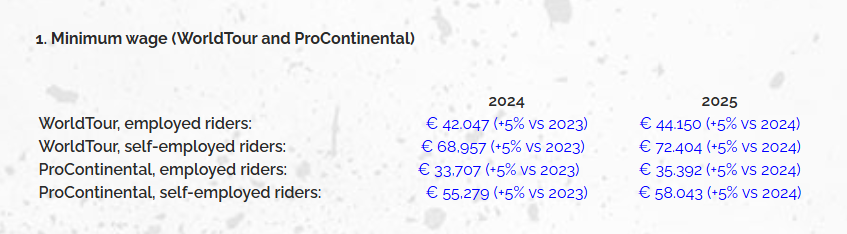
The Union Cycliste Internationale (UCI) sets a minimum salary for pro riders, typically in the €33,000–€72,000 range depending on the level and contract type. A significant portion of the peloton earns close to that minimum, including many younger riders.
At the top end, the numbers look very different.
- The highest-paid riders earn between €2 million and €9 million per year. Tadej Pogačar leads the list at around €8.3 million annually—still not enough to crack the top 100 highest-paid athletes globally.
- Most riders, however, fall into a much narrower range, typically between €70,000 and €300,000.
- According to UCI data from 2025, average WorldTour salaries are:
- Self-employed riders: ~€636,000
- Salaried riders: ~€331,000
- Overall average: around €500,000
Top riders also bring in money from sponsorships, both within cycling and beyond. For most of the peloton, though, team salary is the primary—often the only—source of income.
That’s what defines cycling’s pay structure: a small group earning at the very top, and a much larger group making solid but relatively modest incomes compared to other major sports.
Do all pro cyclists have the same type of contract?
Short answer: no. And this is one of the least visible aspects of the sport.
From the outside, riders look identical: same kit, same races, same setup. But behind the scenes, there are two main contract types, and the difference has a real impact on day-to-day life.
Think of two riders on the same WorldTour team.
The first is a salaried rider.
- They have a standard employment contract and are officially team employees. They receive a monthly paycheck, and the team handles taxes, insurance, and healthcare. They also have full access to team resources: coaches, performance staff, nutritionists, and medical support.
- This model typically comes with lower gross pay, but offers stability and fewer responsibilities outside racing. No need to manage insurance, taxes, or admin; it’s a more straightforward setup.
The second is a self-employed rider.
- They earn more on paper, since regulations require a higher minimum, but they’re responsible for their own expenses. That includes social security, insurance, tax advisors, and sometimes additional coaching or training services outside the team.
- It offers more flexibility, but also comes with more risk and more to manage. It’s more common among experienced riders or those with customized contracts.
Bottom line: contract structure matters. A higher salary doesn’t automatically mean a better situation; it depends on the rider and what they value.
What does a cyclist’s salary actually cover?
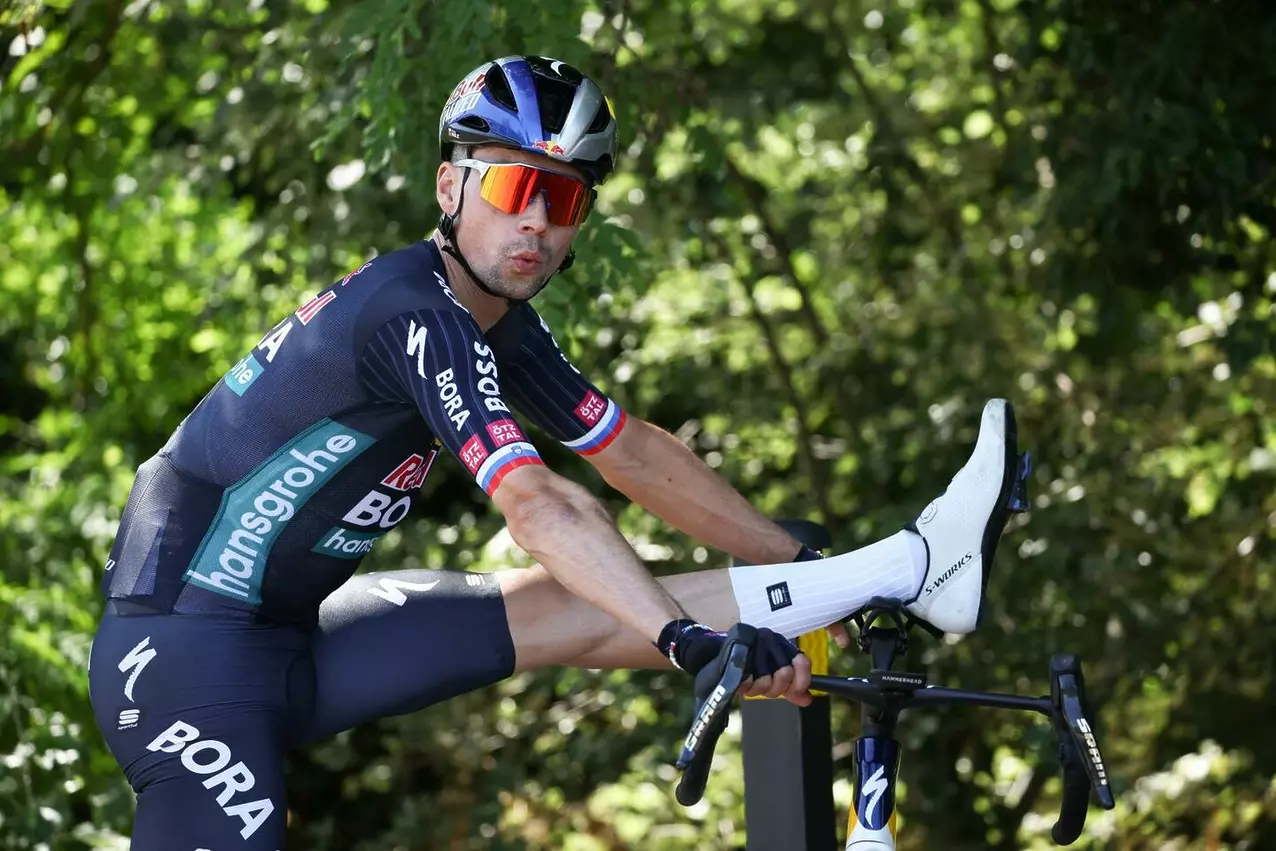
Riders aren’t just paid to race. Training is only part of the job; recovery, nutrition, and overall physical management are just as important.
On top of that, there are other expectations that come with being a pro:
- Being available for most of the season.
- Frequent travel and long stretches away from home (training camps, altitude camps, race blocks).
- Sponsor commitments, media duties, and image rights.
While teams cover key expenses (equipment, race travel, hotels, training camps), the job still requires full commitment for most of the year, and riders often cover additional day-to-day costs themselves, especially outside of race periods.
What are bonuses and how do they work?
Beyond base salary, most contracts include performance bonuses tied to wins, podiums, points, or overall results.
In many teams, part of those bonuses is shared among riders and staff involved in the race. It’s a long-standing practice that reflects how cycling works: even if one rider takes the win, it’s always the result of a collective effort.
The same applies to prize money, which is often distributed across the team.
How do transfers work in cycling?
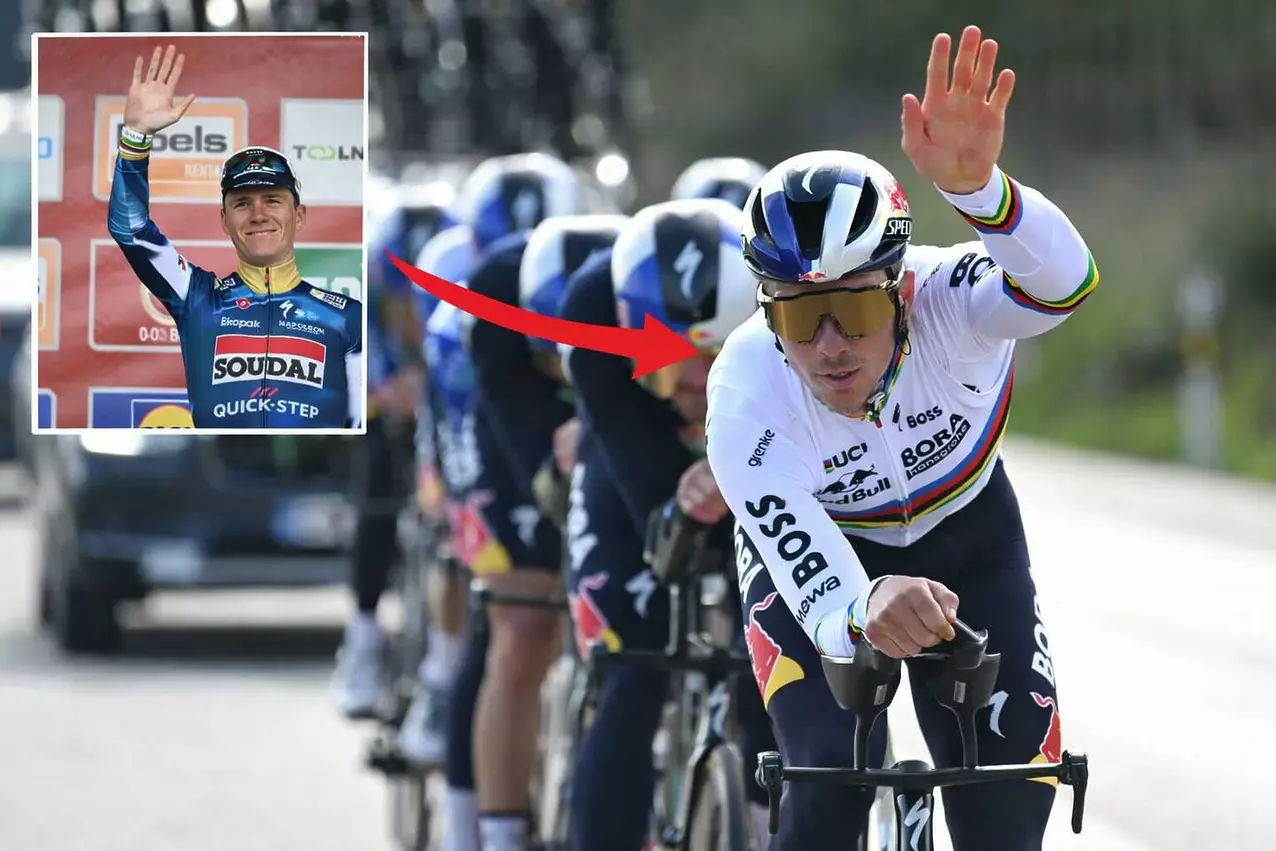
The transfer market in cycling is relatively quiet, but always active. And it works differently than in most sports.
In most cases, riders switch teams when their contracts end, effectively moving as free agents. That said, in recent years we’ve seen more early moves involving top riders, where teams negotiate buyouts before a contract expires.
Most deals are finalized between July and October, with official announcements starting August 1. Rumors circulate year-round, as riders approaching the end of their contracts look to secure their next move.
One unique detail: even after a transfer is announced, the rider stays with their current team through the end of the season. They won’t race for their new team until January 1. Exceptions exist, but they’re rare.
Teams recruit to improve results, gain points, strengthen race strategy, and invest in future talent. Riders, on the other hand, consider more than just salary; they look at race schedules, their role on the team, stability, and the overall environment.
What’s next?
In the next post, we’ll break down team roles, hierarchy, and race strategy to help you understand how the peloton actually works: who does what, how races are managed, and how riders and team directors communicate during competition.
Enjoy Extra Discount on your Siroko Gear:
Use BIKETODAY coupon code and get Extra Discounts on selected Siroko products for Cycling, Fitness, Snow, Golf, Adventure, Lifestyle and more, for Kids and Adults. Buy now here srko.co/biketoday




















Interested? Submit your enquiry using the form below:
Only available for registered users. Sign In to your account or register here.