





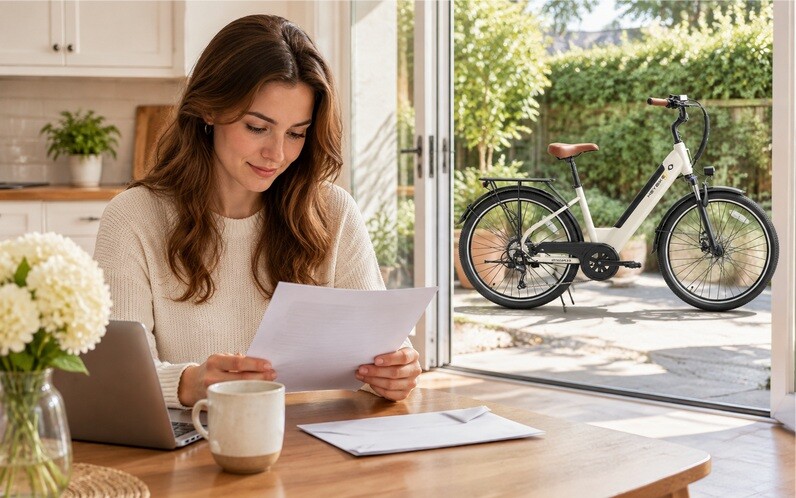
[Article]: How to Read an E-Bike Return Policy Before Ordering
An e-bike return policy can affect what happens if the bicycle arrives damaged, does not fit, or proves impractical for your home. Reading the policy before ordering helps you plan the inspection and setup. It also prevents an assumption about a return window or shipping cost from becoming a surprise after the box is open.
Use the policy shown for the exact seller and location where you will buy. A brand's page, marketplace listing, and local dealer may have different terms. Save the version you reviewed, including the date and the product listing, so you can compare it with the terms attached to the order confirmation.
Identify when the return period starts
Find the event that starts the clock. It may be shipment, delivery, or another defined date. Check how the seller calculates calendar days and whether you must request authorization before sending anything back. Put the relevant date and contact path in your order records when the bicycle arrives.
Look for separate rules for damaged, defective, incomplete, and unwanted items. Those situations can require different evidence or steps. Photograph visible shipping damage before disposing of packaging if the seller's instructions require it. Keep all communications and note when support responds.
Understand condition and assembly requirements
Check whether assembly, a test ride, or use on public roads changes return eligibility. A bicycle may need to be returned with original packaging or in a specified condition. Find out what to do if the shipping carton is damaged or too large to store. Do not assume that opening the box makes the item nonreturnable, or that a test ride is always allowed.
Before assembly, compare the included parts with the list and read the instructions for the exact model. If a part appears damaged or missing, pause and contact the seller before completing work that could affect the return process. Keep small parts and packaging organized until you understand the applicable terms.
Calculate the cost and logistics of a return
The policy may explain who pays return freight, how a pickup is arranged, and whether any restocking or handling charge applies. Look for conditions and exceptions. Ask the seller for an estimate when the bicycle's size or battery makes shipping more complicated. A general shipping page may not specify the cost for a particular return.
Check how accessories, promotions, bundles, or gift items are treated. Returning one item may affect the price or eligibility of the rest. Read the section that applies to the order you intend to place, rather than relying on a summary from a different sale.
If you are comparing an electric bike, review the policy alongside model dimensions and your storage measurements. A return process is a fallback, not a replacement for checking fit, handling, and access before ordering.
Turn the policy into an arrival checklist
Before ordering, create a short note with the seller's contact method, the event that starts the return period, any request deadline, packaging requirements, and the stated process for damaged deliveries. Leave the calendar dates blank until the relevant event actually happens. This avoids calculating a deadline from an assumed delivery date or confusing a request deadline with a date by which the seller must receive the item.
Imagine that a bicycle arrives on a workday and the carton has a crushed corner. The useful next step is to follow the seller's damage-reporting instructions and preserve the evidence, rather than immediately throwing away the box or arranging your own shipment. Record what you can see, keep the order number available, and ask how the seller wants you to proceed. A damaged carton does not by itself establish the bicycle's condition, so describe the observation precisely.
If you request a return, keep the authorization and packing instructions together. Confirm who arranges the carrier and how the battery must be handled. Use the approved process and retain the tracking and handover receipt. After the seller receives the item, keep the case open until its stated inspection and refund steps have been explained or completed.
At checkout, decide whether the practical return process suits you. If storing a large box is difficult, ask the seller about alternatives before purchase. If a freight charge is unclear, request an estimate for your location. These questions help you choose a seller and delivery plan that you can manage, while the published terms remain easy to reference.
Keep a purchase record
Save the product page, policy, order confirmation, delivery notices, and support case number together. Record who you contacted and what the seller told you. If a conversation changes the written terms, ask for clarification in writing before you rely on it.
For a purchase from Heybike, use the current return policy displayed at the time of ordering and confirm questions with the seller. Do not assume a term from an older order or another retailer applies to this purchase. Promotions and product conditions may change.
A clear policy does not guarantee that every return will be approved. It tells you what steps and conditions the seller publishes. Read those details before buying, preserve the version attached to your order, and contact the seller promptly when the delivered bicycle does not match what you expected.


















Interested? Submit your enquiry using the form below:
Only available for registered users. Sign In to your account or register here.