







〰️🚲 Bicycle Handlebars – Types, Shapes, and Uses
The handlebar is one of the main contact points between rider and bicycle. Its shape, width, and position directly affect comfort, aerodynamics, and bike control. Choosing the right handlebar depends on your cycling discipline, riding style, and body position.
🔧 Key Features of Handlebars
- Width: Wider bars provide stability, narrower bars reduce drag.
- Shape: Flat, curved, or drop designs for different uses.
- Rise & Sweep: Affect wrist comfort and rider position.
- Material: Aluminum (durable and affordable) or carbon (lightweight and stiff).
🚴 Main Types of Bicycle Handlebars
⚡ Drop Handlebars
Common on road bikes, with a curved “drop” shape for multiple hand positions and aerodynamic posture.
- Best for: Road cycling, racing, endurance rides.
- Features: Narrow width, lightweight, versatile grip positions.
⛰️ Flat Handlebars
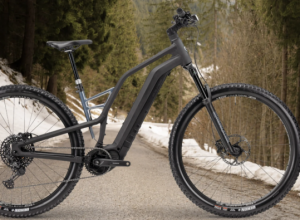
Standard on mountain bikes, providing wide control and stability on rough terrain.
- Best for: MTB, gravel, and urban bikes.
- Features: Straight design, wider stance, better leverage.
🪵 Riser Handlebars
Variation of flat bars with an upward rise, allowing a more upright and comfortable position.
- Best for: Trail and downhill MTB, casual riders.
- Features: Relaxed posture, increased control.
🌍 Flared Handlebars
Drop bars with outward flare at the drops, giving more control on gravel and mixed terrain.
- Best for: Gravel and adventure bikes.
- Features: Wider drops, stable grip on rough roads.
🚲 Bullhorn Handlebars
Bars that curve forward like horns, offering aerodynamic grip.
- Best for: Time trials, triathlon, urban fixies.
- Features: Aerodynamic, aggressive posture.
🛋️ Cruiser & Upright Handlebars
Wide, swept-back bars for maximum comfort and relaxed posture.
- Best for: City bikes, cruisers, leisure cycling.
- Features: Upright position, focus on comfort.
🚴 Triathlon / Aero Bars
Clip-on or integrated bars designed for maximum aerodynamics.
- Best for: Triathlon, time trials.
- Features: Aero extensions, narrow grip, forward lean.
💡 Tips for Choosing the Right Handlebar
- Road cyclists should choose handlebar width close to shoulder width.
- MTB riders benefit from wider bars for stability on technical trails.
- Urban riders often prefer upright bars for visibility and comfort.
- Always test: comfort and wrist position matter as much as performance.
❓ FAQ – Bicycle Handlebars
Q1. Are wider handlebars always better?
Wider bars give more control off-road but may feel less aerodynamic on the road.
Q2. Can I switch from flat bars to drop bars?
Yes, but it requires changing brake/shift levers and cables, so it can be costly.
Q3. What’s the advantage of flared drop bars?
They provide more control and stability on gravel and technical descents.
Q4. Do handlebar materials make a difference?
Aluminum bars are affordable and strong, while carbon bars are lighter and absorb vibration better.
Learn more in our complete FAQ.
🔗 Related Articles
- Bicycle Components Explained
- Road Bikes – Speed, Endurance, and Performance
- Gravel Bikes – Versatility on and off the Road
The Ultimate Cycling Guide: Bikes, Gear, Training & Lifestyle
- Explore our Ultimate Cycling Guide and know more about cycling in every dimension. As you navigate through the detailed guides, you’ll build knowledge and confidence, whether you’re just starting or chasing new goals on two wheels.