







🚲 What is a Bicycle and How Does It Work?
A bicycle is a two-wheeled vehicle powered by pedaling. It’s one of the simplest and most efficient means of transport, combining human power with mechanical parts to create motion.
🚲 The Basic Concept
When you pedal, energy is transferred from your legs to the drivetrain, which turns the wheels and makes the bike move.
⚙️ Main Mechanisms
- Pedals & Crankset: Convert leg power into rotation.
- Chain & Gears: Transfer energy and control speed/resistance.
- Wheels & Tires: Provide rolling movement and grip.
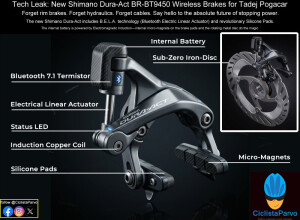
- Brakes: Allow control and safety.
- Frame: The structure that holds everything together.
🌍 Why Bicycles Matter
- Efficient and eco-friendly transport.
- Great for fitness and health.
- Accessible for all ages.
❓ FAQ – Bicycle Basics
Q1. Who invented the bicycle?
The modern bicycle design dates back to the 19th century, evolving from early “dandy horse” models.
Q2. Why is a bike so efficient?
Because it converts human energy into motion with very little energy loss.
Q3. What is the main purpose of a bike?
Transportation, exercise, recreation, and sport.
Learn more in our complete FAQ.
🔗 Related Articles
The Ultimate Cycling Guide: Bikes, Gear, Training & Lifestyle
- Explore our Ultimate Cycling Guide and know more about cycling in every dimension. As you navigate through the detailed guides, you’ll build knowledge and confidence, whether you’re just starting or chasing new goals on two wheels.